How to Make Money on Pinterest: 6 Routes That Pay You
Pinterest does not pay per view. These six routes do: affiliate pins, digital products, services, brand deals and blog traffic, with the costs and the math.

 PinNiche Team11 min read
Pinterest can be a real income channel, but almost nobody earns it the way beginners assume. Pinterest does not pay creators for views or followers — there is no view-based payout. You make money on Pinterest by sending buyers somewhere that pays: an affiliate link, your own shop, a client, or a website you own. This guide breaks earning down into the chain it actually is — impressions, outbound clicks, conversion — then compares six routes by startup cost and time to first dollar, and finishes with the pin-level details that decide whether anyone clicks at all.
Does Pinterest pay you for views?
No, and this is the first thing to get straight, because it changes every decision after it. Any honest answer to how to make money on Pinterest starts here: a view, a save, and even a follow produce no payment by themselves. The money sits one step further: in where the pin sends someone, and what happens on that destination.
Pinterest's own creator guidance is open about the two mechanisms the platform supports. You can tag pins with affiliate links — the commission is agreed between you and the affiliate program, not paid by Pinterest — and once you have an audience, you can run brand collaborations through the built-in paid partnership tool, with the deal negotiated off-platform. Both require honest disclosure, which we will come back to in the mistakes section.
Everything else — products, services, a blog with ads — happens entirely outside Pinterest. The platform's job is to put your pin in front of people searching with buying intent. Your job is everything after the tap.
The click-to-cash chain: where the money actually comes from
Pinterest income is not one number; it is a chain of rates multiplied together:
impressions × outbound click rate × destination conversion × order value (× commission, if affiliate)
That chain explains most failures. A pin that gets 15,000 impressions but a 0.2% click rate is a design and headline problem, not a traffic problem. A pin that earns clicks but never converts has a destination problem — the page promised something the pin did not.
Two practical consequences fall out of the chain:
- Track outbound clicks, not saves. Saves feel good and tell you a pin is useful, but the click is the only event that can turn into money. Pinterest Analytics reports outbound clicks per pin; that is your leading indicator from week one.
- Pins compound. A pin published today can still collect impressions months from now, so an account that publishes steadily for ninety days looks completely different from one that posted hard for a week and stopped. Early totals always undercount.
Six routes that make money on Pinterest, compared
Every route below ends in real money; they differ in what you must own on day one, what they cost to start, and how fast the first payment tends to arrive.
| Route | You need before day one | Startup cost | First income, realistically | Best for |
|---|---|---|---|---|
| Affiliate links on pins | An approved affiliate program | $0 | Weeks to months | No product of your own |
| Digital products | One printable or template you made | ~$0–30 | Weeks | Designers, teachers, organizers |
| Physical products | Your own shop and inventory | Product cost | Weeks | Shop owners with a catalog |
| Pinterest services | A skill and two example pins | $0 | Days — the fastest route | Freelancers with any spare hour |
| Brand partnerships | A niche audience and a media kit | $0 | Months | Creators who enjoy publishing |
| Traffic to your own site | A domain and content worth landing on | ~$10+/year | Months, then compounds | Bloggers and stores playing long |
1. Affiliate links on pins
Join an affiliate program, get approved, and tag your pins with your link. The critical mechanics: disclose the relationship on the pin itself, keep the destination honest, and make several genuinely different pins per product rather than re-uploading one image. Affiliate marketing on Pinterest rewards search thinking — a pin titled like the query ("small bathroom storage ideas") outlives a pin that looks like an ad.
2. Digital products
One printable, template, or checklist can sell for years because the file never runs out of stock. The pin is a mockup of the product with the outcome in the headline. Marketplaces like Etsy handle payment for a cut, or you can sell from your own site and keep the margin. The work is front-loaded: build the file once, then pin it from five angles.
3. Physical products with product tags
If you run a shop, your catalog is already a pin idea list. Product pins and product tags let a pin carry price and availability straight from your catalog, and people who click are closer to a purchase decision than social traffic usually is. The failure mode is pinning only new arrivals — your bestseller from last year still deserves fresh angles.
4. Pinterest services for other businesses
The fastest first dollar on this list, because the client pays you directly. Small stores need pins made and scheduled and will pay for the skill you are about to build anyway. Two example pins and one honest outreach message beat any course. The same skill later doubles as content for your own account, which is how service providers get clients without cold pitching.
5. Brand partnerships
Once a niche audience exists, brands pay for honest recommendations — the deal is agreed between you and the brand, then disclosed through Pinterest's paid partnership tool. This is the slowest route to start and scales the best per pin, because a single collaboration pays more than a month of affiliate commissions. Brands buy a specific audience, not a big one, so niche depth matters more than follower count.
6. Send traffic to your own website
A website you own turns each visitor into several chances to earn: display ads, affiliate links, your products, an email list. It is the slowest route to first income and the only one that compounds every other route on this page. Claim the site on your Pinterest business account so pins from your domain carry your branding.
Make money on Pinterest without a blog
All of the above sounds website-heavy, and the honest answer is that you can start without one. These paths work with no site at all:
- Affiliate links directly on pins, with clear disclosure and a modest number of them per day.
- Product tags on your own or affiliate catalogs, disclosed the same way.
- Marketplace storefronts — an Etsy or similar shop URL as the pin destination.
- Selling services, which need nothing but a way to be contacted.
The trade-off is ownership. A marketplace destination can change its fees or rules, cannot be claimed on your Pinterest profile the way a website can, and gives you little data about what happened after the click. A reasonable pattern is to start site-less to prove the niche, then move the best-converting content onto a site you own.
What decides whether a pin earns the click
Whatever route you pick, the click is produced by the same three things:
- A title that reads like the search. Pinterest is a search engine; the pin title is your meta description. Put the phrase a person would type into the title, not a clever pun.
- An image that survives the thumbnail. Your design is browsed at roughly 300 pixels wide. One idea per pin, a headline in the top half, and text that is still legible after the feed shrinks it. The pin size and crop specs cover the geometry.
- A destination that matches the promise. If the pin says "7-day plan", the page must open with the 7-day plan. Mismatch kills conversion at the exact step you paid impressions to reach.
None of this requires taste or luck — it is a checklist, and it is the same checklist for a $9 printable and a client's catalog.
A 7-day setup plan
- Day 1. Create or convert to a free Pinterest business account, and claim your website if you have one.
- Day 2. Pick one niche and one route from the table above. One audience, one offer — split focus is the most common beginner failure.
- Day 3. Search Pinterest for your niche's main questions; note the phrasing of the top results' titles. These phrases are your pin titles and board names.
- Day 4. Make your first batch: 3–5 distinct designs for one destination, using the day 3 phrases as headlines.
- Day 5. Schedule the batch across the coming week with Pinterest's native scheduler instead of dumping them in one day.
- Day 6. Write down your cadence — pins per week you can sustain for 90 days — and put it in your calendar. Consistency beats bursts.
- Day 7. Pin a second batch and set a monthly review: outbound clicks per pin, then double down on what earns clicks.
After the first month the plan stops being new — it becomes making pins for the pages that got clicks, which is the whole job.
Mistakes that stall earnings or get accounts flagged
- One pin per link. A link with a single pin covers one search, one thumbnail, one angle. Three to five distinct designs per destination is the working minimum.
- Mass-uploading near-identical pins. Repetitive content made to earn money is named explicitly in Pinterest's community guidelines, and earning accounts are the ones that get reviewed.
- Hiding links behind shorteners or redirect chains. Pinterest wants to see where a pin leads; cloaked links read as spam and get removed.
- Skipping disclosure. Affiliate and paid content must be labeled on the pin itself, not buried on the destination page.
- Mass-producing raw AI images. Pinterest labels pins it believes were generated by AI, and feeds full of low-effort generated images earn neither clicks nor trust. Use generated imagery as a starting point with real editing on top.
- Judging by saves. Optimizing for saves builds pretty boards; optimizing outbound clicks builds income.
How long it takes, and how to judge the first 90 days
Set expectations in months. Learning how to make money on Pinterest is a volume and patience game: the chain needs volume at every stage — enough pins to cover the searches, enough clicks to feed the destination, enough conversion to produce a payout. None of those exist in week two.
A fair reading schedule: after 30 days, look at outbound clicks per pin — this tells you which angles earn attention. After 90 days, look at income, and make the only strategic decision that matters — more pins for what earned clicks, retirement for what only earned saves. Accounts that survive to month six usually look back at month one and find it was quieter than any projection promised, and that the pins published then are still working.
The volume problem, solved once
Notice what every route above has in common: the income scales with the number of distinct, on-brand pins you can keep publishing. That is the real bottleneck when you try to make money on Pinterest — not knowledge, not followers, and not luck. It is why most stores publish three pins a month instead of thirty.
This is the problem PinNiche exists for: paste a product or article URL, scan it, apply your brand template, and export a pack of distinct pins with keyword-ready titles — one product page becomes a whole pin set, and packs start at $9 a month. You still choose the angles and publish them yourself; only the grinding part is handled.
If you take one thing from this guide: pick one route, one audience, and enough pin volume to give the chain a chance to work. The clicks follow the pins. The money follows the clicks.
Frequently asked questions
Can you make money on Pinterest without followers?
Yes. Pinterest works closer to a search engine than a social feed, so a pin can collect impressions for months after it is published regardless of your follower count. What you need is keywords in your pin titles and boards, several distinct designs per link, and a destination page that converts the clicks you get.
Does Pinterest pay you for views?
No. Pinterest has no program that pays creators per view or per follower. Income arrives from where your pins send people: affiliate commissions, sales of your own products, client fees, brand deals, or ad and affiliate revenue on a website you own.
How many pins should I post per link?
Three to five genuinely different designs, spread across different days, is a practical default. A single pin per link leaves most searches uncovered, while dozens of near-identical uploads in one day reads as spam to Pinterest and can get an earning account flagged.
How long does it take to make money on Pinterest?
Months, not weeks, for most routes. Pins keep collecting impressions long after publishing, so early numbers undercount what an account will do. Judge outbound clicks after the first month and actual income after about ninety days, then put your effort behind the links and angles that earned clicks.
Do I need a Pinterest business account to earn money?
You need one, and it is free. A business account unlocks Pinterest Analytics, which is where you read outbound clicks, and it lets you claim your website so your profile picture appears on pins saved from your pages. Affiliate links and product tags work without any paid tier.
Keep reading
Related guides
 PinNiche Team
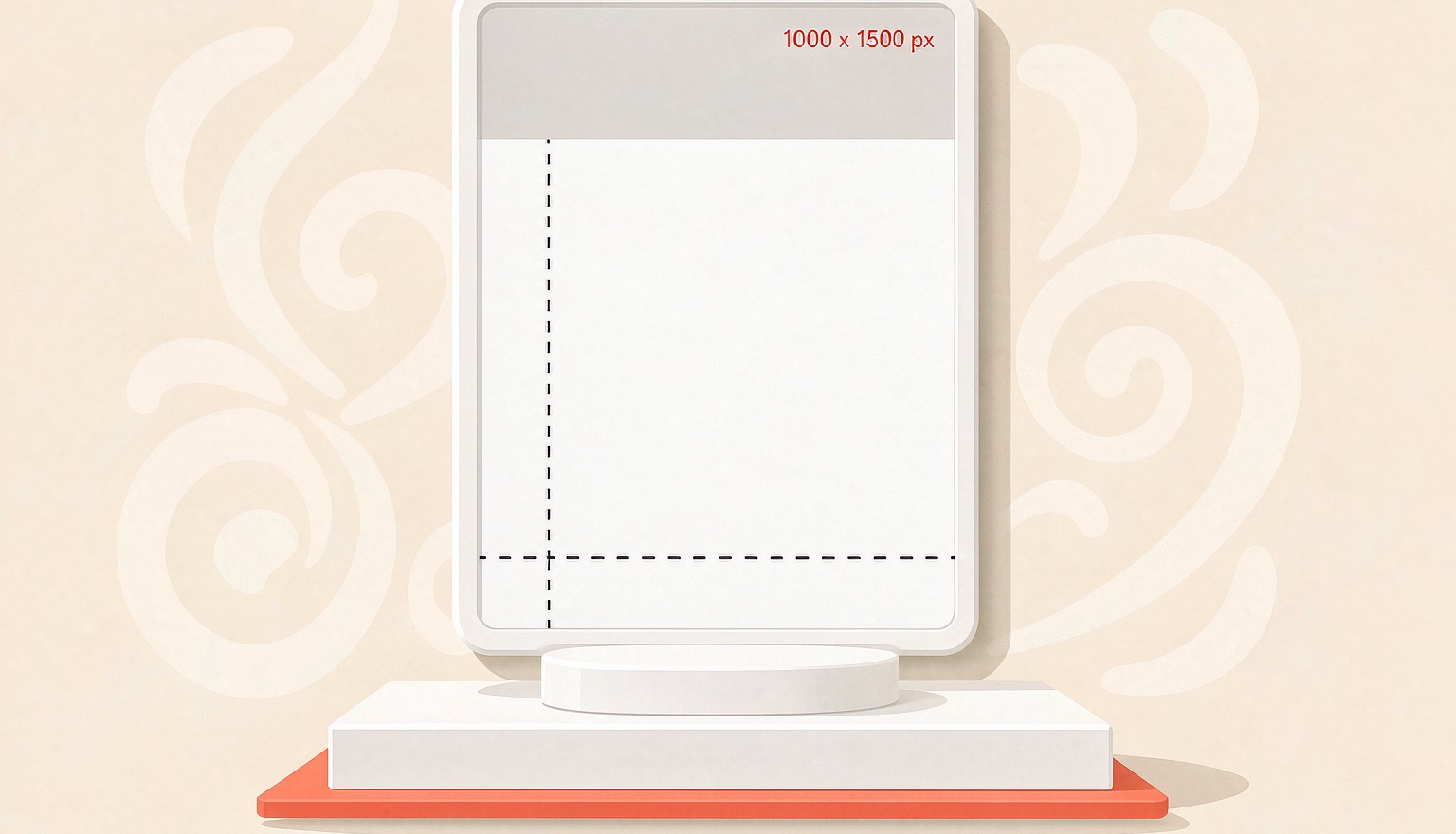
Pinterest Pin Size 2026: 1000×1500 and What Gets Cropped
Pinterest recommends 2:3 pins at 1000×1500. Here are the specs that matter in 2026, where tall pins get truncated, and the export settings that keep text sharp.
 PinNiche Team
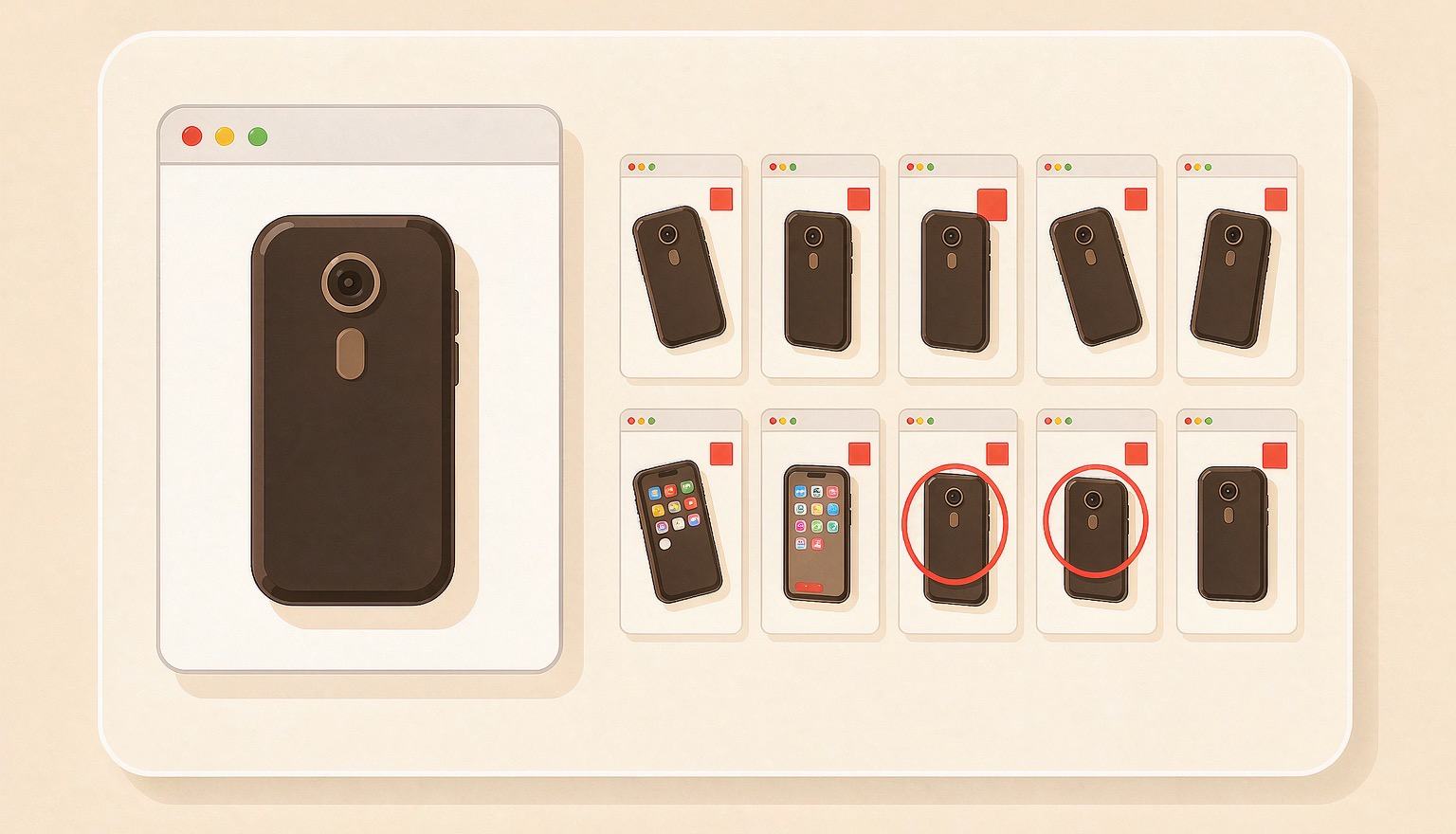
One Product Page, Ten Pinterest Pins: A Batch Workflow
A product page already holds the photo, price, and angle a pin needs. Here is how to turn one URL into ten on-brand Pinterest Pins, then batch a whole catalog.
Ready to ship your first pin pack?
Scan a product or blog URL, put your brand on every pin, and export a ready-to-post pack in one run.
Try PinNiche free